Loading...
Welcome to Chinese Journal of Clinical Pharmacology and Therapeutics,Today is Chinese

Table of Content

    Volume 30 Issue 5
    26 May 2025
    Cuttlebone extract on wound healing and VEGF/PI3K/Akt pathway in rats with refractory ulcers
    WANG Guowei, ZHUO Tao, ZHENG Quanwei, LI Mengying, LI Jiehui, LIU Jianhang
    2025, 30(5):  577-585.  doi:10.12092/j.issn.1009-2501.2025.05.001
    Asbtract ( 240 )   PDF (2361KB) ( 182 )  
    Related Articles | Metrics
    AIM: To observe the effect and mechanism of cuttlebone extract regulating vascular endothelial growth factor (VEGF)/phosphatidylinositol 3-kinase (PI3K)/protein kinase B (AKT) pathway on refractory wounds in rats. METHODS: Cuttlebone extract(CE) was obtained by water extraction of cuttlebone. Fifty SD rats were randomly divided into negative Control group, Model group, Cuttlebone extract low-dose (CE(L)) group, Cuttlebone extract high-dose (CE(H)) group, and cuttlebone extract high-dose+inhibitor (CE(H)+LY294002) group. After the refractory wound model was successfully established, 0.02% furacillin solution or cuttlebone extract solution were applied to the wound area of rats in each group, and the treatment was administered once a day. After 14 days of treatment for refractory wounds, the changes in wound healing, angiogenesis, inflammation and expression of related regulatory proteins were quantitatively analyzed by measuring skin ulcer wound area, pathological sections, immunofluorescence staining, Elisa, Western blot, RT-qPCR and other methods. RESULTS: Compared with Model group, CE(L) and CE(H) groups can increase the number of epithelial cells and collagen, and promote the healing of refractory wound in rats. Serum VEGF, skin tissue microvascular density, P-PI3K, P-AKT, VEGF protein expression and mRNA expression levels of PI3K, Akt, VEGF and eNOS were increased (P<0.05), while serum TNF-α and IL-6 levels were decreased (P<0.05). LY294002 could partially reverse the repairing effect of high dose cuttlebone extract on refractory wound (P<0.05). CONCLUSION: Cuttlebone extract can regulate the VEGF/PI3K/AKT signaling pathway, inhibit the inflammatory response of refractory wounds in rats, induce angiogenesis and promote wound healing.
    Mechanism of total flavonoids of Carthamus tinctorius L.against hepatic fibrosis based on LC-MS/MS combined with network pharmacology and pharmacology experiments
    LI Mingqi, WANG Yinghe, ZHAO Xiaolu, BAO Xiaomei, YUE Xin, REN Guiqiang, MA Yuehong
    2025, 30(5):  586-598.  doi:10.12092/j.issn.1009-2501.2025.05.002
    Asbtract ( 281 )   PDF (5346KB) ( 110 )  
    Related Articles | Metrics
    AIM: To elucidate the pharmacodynamic and network pharmacological mechanisms of total flavonoids of Carthamus tinctorius L., to explore their key targets and related pathways, and to clarify their mechanism of action against hepatic fibrosis. METHODS: The total flavonoids of Carthamus tinctorius L. were determined by LC-MS/MS and analysed for their compositions; the active ingredients were screened by TCMSP database, SWISS ADME database and literature search; the targets related to total flavonoids of Carthamus tinctorius L. were screened by Swiss Target Prediction database; and the targets related to hepatic fibrosis were screened by GeneCards database; the anti-hepatic fibrosis targets of total flavonoids of Carthamus tinctorius L. were obtained by taking the intersection of Venny.2.1.0; the protein interactions were analysed by STRING database; the visualization analysis was carried out by Cytoscape software; the GO function and KEGG pathway analysis was carried out by Metascape platform; and molecular docking was verified by using AutoDock software for the core targets and active ingredients. The mechanism of anti-hepatic fibrosis of total flavonoids of Carthamus tinctorius L. was verified by animal model and in vitro cell experiments. RESULTS: A total of 41 flavonoid components were identified in Carthamus tinctorius L. Through the network pharmacological analysis, 149 anti-hepatic fibrosis targets of total flavonoids of Carthamus tinctorius L. were obtained, including 23 core targets.The GO enrichment analyses involved a total of three aspects, namely, biological process (BP), cellular component (CC), and molecular function (MF). KEGG enrichment results showed that PI3K/Akt and MAPK are pathways involved in the development of hepatic fibrosis. Molecular docking verified that the active ingredients Quercetin, Acacetin and Glabridin were tightly bound to Akt1 and HIFIA, respectively. In animal model experiments, it was observed by HE and Masson staining that fibroplasia was reduced, collagen deposition was reduced, inflammatory cell infiltration was reduced, and fibrotic liver tissues were improved in total flavonoids of Carthamus tinctorius L. administration group. In isolated cell experiments: Western blotting results suggested that total flavonoids of Carthamus tinctorius L. could decrease the hepatic fibrosis marker factor α-SMA, Collagen1 (P<0.01) and PI3K, Akt protein expression (P<0.01). CONCLUSION: Total flavonoids of Carthamus tinctorius L. exerted anti-hepatic fibrosis effects through multi-components, multi-targets and multi-pathways, and their mechanism of action may be achieved by regulating the PI3K/Akt signalling pathway.
    Effect and mechanism of Yiqi tongfu xiere prescription on lipopolysaccharide-induced acute lung injury in mice
    DU Lijuan, LIN Jianhua, YE Jinghuan, SONG Lu, PENG Yanfen, LIU Yuping
    2025, 30(5):  599-607.  doi:10.12092/j.issn.1009-2501.2025.05.003
    Asbtract ( 176 )   PDF (1512KB) ( 289 )  
    Related Articles | Metrics
    AIM: To investigated the mechanism of action of Yiqi tongfu xiere prescription (YTX) in treating mice with lipopolysaccharide (LPS)-induced acute lung injury (ALI). METHODS: According to the random number table, 24 C57BL/6 mice were divided into 4 groups: control group (Control), model group (LPS), low dose group (YTX-L) and high dose group (YTX-H). Except for the control group, the mice models of acute lung injury were established by intratracheal instillation of LPS solution (5 mg/kg). The low and high dose treatment groups were given intragastric administration continuously for 14 days. After 24 hours, the lung tissue, bronchoalveolar lavage fluid (BALF) and serum of the four groups were taken for follow-up detection. The degree of pulmonary edema was evaluated by wet weight coefficient (wet to dry ratio, W/D) of lung tissue. The degree of alveolar inflammation and pulmonary fibrosis were evaluated by HE and Masson staining, and the contents of BALF and serum inflammatory cytokines IL-1 β and IL-6 were detected by ELISA. The protein expressions of α-SMA, FN, Col-I and Col-III were measured by Western blot. Determination of α-SMA, FN, Col-I, MAPK, NF-κB mRNA expression by RT-PCR method. RESULTS: Compared with LPS group, the contents of BALF, IL-1 β and IL-6 in serum, Wmax D ratio, lung pathology, serum α-SMA, FN, Col-I, Col-III protein expression and α-SMA, FN, Col-I, MAPK, NF-κB mRNA expression in treatment group were significantly lower than those in control group. CONCLUSION: YTX can significantly reduce the levels of pulmonary fibrosis markers such as α-SMA, FN, Col-I and Col-III by inhibiting the activation of MAPK/NF-κB signal pathway, and improve alveolar inflammation and pulmonary fibrosis in mice with lung injury, suggesting that YTX can treat acute lung injury and provide a theoretical basis for the clinical use of YTX.

    SAS macro tool for pharmacokinetic parameter estimation based on non-compartmental models
    ZHANG Li, LOU Donghua
    2025, 30(5):  608-621.  doi:10.12092/j.issn.1009-2501.2025.05.004
    Asbtract ( 482 )   PDF (706KB) ( 660 )  
    Related Articles | Metrics
    AIM: To develop a SAS macro tool for calculating pharmacokinetic (PK) parameters using non-compartmental analysis (NCA) that is applicable to various routes and frequencies of drug administration. METHODS: By incorporating the principles of NCA PK parameter calculations, the structure of the SAS macro program is designed and programmed. The usage of the macro program is demonstrated through simulated examples. RESULTS: Based on NCA, this study programmed a SAS macro using SAS macro language to calculate both single-dose and steady-state complete PK parameters. It supports three modes of drug administration: extravascular, intravenous infusion, and intravenous bolus injection, as well as four algorithms for calculating area under the curve (AUC). By comparing with authoritative calculation software, the results were found to be highly consistent across various calculation scenarios, with more accurate calculations for the time of first measurable concentration (Tlag). CONCLUSION: The %M_CREATE_PK_PARAMETERS macro is a SAS macro that supports comprehensive PK parameter calculations in NCA, providing an accurate, efficient, and flexible solution for PK parameter estimation with broad application prospects.
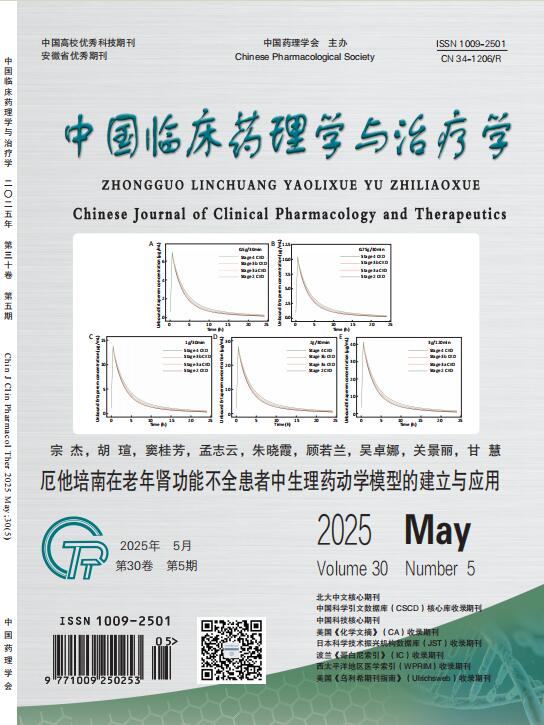
    Establishment and application of physiological-based pharmacokinetic model of ertapenem in elderly patients with chronic kidney disease
    ZONG Jie, HU Xuan, DOU Guifang, MENG Zhiyun, ZHU Xiaoxia, GU RuoLan, WU Zhuona, GUAN Jingli, GAN Hui
    2025, 30(5):  622-630.  doi:10.12092/j.issn.1009-2501.2025.05.005
    Asbtract ( 259 )   PDF (1370KB) ( 225 )  
    Related Articles | Metrics
    AIM: To establish a physiological-based pharmacokinetic (PBPK) model of ertapenem in elderly patients with chronic kidney disease, and to analyze the pharmacokinetic/pharmacodynamic index f%T>MIC at different doses. METHODS: The physicochemical properties and pharmacokinetic characteristics of ertapenem were collected by reviewing the literature and databases, and a healthy adult model was established in PKSim? software, and then extrapolated to the PBPK model of the elderly. The clinical pharmacokinetic research data were used to optimize and validate the model, and the mean folding error (MFE) was used as the index to evaluate the prediction performance of the model. The final model was used to simulate the in vivo exposure of elderly patients with chronic kidney disease after administration, and the pharmacokinetic/pharmacodynamic index of commonly used clinical dosing regimens was analyzed, and the recommended dosing regimens were given. RESULTS: The MFE of the area under the curve (AUC0-t), peak concentration (Cmax) and peak time (Tmax) predicted by the established PBPK model of ertapenem in adults were 0.92, 0.79 and 1.02, respectively, and the predicted value of the optimized PBPK model of ertapenem in the elderly was also consistent with the observed value of 0.5< MFE<2 standards, all of which have good predictive performance. With f%T>MIC greater than 40% as the drug efficacy target, the minimum inhibitory concentration (MIC) is 0.5-1 μg/mL for sensitive bacteria, and elderly patients with chronic kidney disease can consider reducing the drug dose as appropriate. CONCLUSION: The PBPK model of ertapenem in elderly patients with renal insufficiency has been successfully established, and the model has good prediction performance and provides a reference for clinical personalized medication in elderly patients with renal insufficiency.
    Age, blood eosinophils, FeNO and serum IgE as biomarkers for the prediction of eosinophilic phenotype among asthmatic patients
    GAO Jiameng, MA Yuan, SHEN Yao, WANG Fang, QIAN Yuhao, CHEN Zhihong
    2025, 30(5):  631-639.  doi:10.12092/j.issn.1009-2501.2025.05.006
    Asbtract ( 221 )   PDF (1791KB) ( 321 )  
    Related Articles | Metrics
    AIM: To identify surrogate clinical biomarkers for profiling the eosinophilic status of an individual patient over induced sputum analysis. METHODS: We conducted a cross-sectional study on 100 asthmatic patients whose induced sputum was successfully collected. Subjects were further classified into either EA or NEA based on whether the percentage of sputum eosinophil count (SEC%) was≥3%. Demographic and clinical data were collected, including basic information, routine blood tests, lung function tests, bronchodilator reversibility tests, fractional exhaled nitric oxide (FeNO), the Asthma Control Test (ACT) and the Asthma Control Questionnaire (ACQ). All variables significantly associated with EA were candidates for multivariate logistic regression analysis. A scoring system presented as a nomogram for the prediction of EA was developed. RESULTS: In the univariate analysis, compared with NEA subjects, those with EA were of older age and had worse asthma control and lung function in addition to higher values of blood eosinophils, serum IgE and FeNO. Multivariable logistic regression analysis revealed that age, FeNO, serum IgE and blood eosinophil count (BEC) were identified as independent risk factors for eosinophilic asthma, which were all included in the nomogram. CONCLUSION: A combination assessment including age, FeNO, serum IgE and BEC could be applicable to clinicians in identifying eosinophilic asthma and is easier, faster, more inexpensive and more readily available than the induced sputum test.
    Real-world study of the efficacy and safety of infliximab in the treatment of Crohn's disease with perianal fistula
    WU Jian, FANG Xiaoli, LI Ming, CHEN Hao, GAO Jiarong
    2025, 30(5):  640-647.  doi:10.12092/j.issn.1009-2501.2025.04.007
    Asbtract ( 137 )   PDF (1151KB) ( 652 )  
    Related Articles | Metrics
    AIM: To evaluate the efficacy of infliximab in the maintenance of Perianal fstulizing Crohn's disease. METHODS: The clinical data of 24 patients with perianal fistula Crohn's disease (PFCD) treated with infliximab (IFX) in the Department of Anorectal Surgery of our hospital from November 2020 to October 2023 were retrospectively collected. The clinical efficacy and safety were evaluated by observing the clinical characteristics for 54 weeks. The fistula remission rate, clinical remission rate, and endoscopic remission rate of patients were calculated. The changes of laboratory indexes before and after treatment were recorded. Logistic regression was used to analyze the related factors of fistula remission. All adverse reactions occurred during IFX treatment were recorded. RESULTS: After 54 weeks of IFX treatment, the fistula remission rate, clinical remission rate, and endoscopic remission rate were 37.5%, 45.83%, and 33.33%, respectively. Fistula response at 14 weeks of treatment (OR=19.419, 95%Cl: 1.267-297.559, P=0.033) was predictive factors for fistula remission at 54 weeks of treatment. The inflammatory indexes and nutritional indexes were significantly improved compared with those before treatment (P<0.01). The scores of PDAI, CDAI and SES-CD were significantly different from those before treatment (P<0.01). Five patients (20.83%) had adverse reactions, and the symptoms disappeared or improved after symptomatic treatment, and no patient had serious adverse reactions. CONCLUSION: IFX can effectively promote the closure of PFCD fistula, improve the chronic inflammatory reaction of intestinal mucosa, alleviate clinical symptoms, and improve the quality of life of patients. IFX is effective and safe for PFCD maintenance treatment.
    Efficacy and safety of TACE combined with lenvatinib and PD-1 inhitibors in the treatment of hepatocellular carcinoma with portal vein tumor thrombus
    LANG Xu, LIU Boyu
    2025, 30(5):  648-656.  doi:10.12092/j.issn.1009-2501.2025.05.00
    Asbtract ( 211 )   PDF (1884KB) ( 623 )  
    Related Articles | Metrics
    AIM: To investigate the efficacy and safety of TACE combined with lenvatinib and PD-1 inhitibors for hepatocellular carcinoma (HCC) with portal vein tumor thrombus (PVTT).METHODS: HCC patients with PVTT who received TACE combined with lenvatinib and PD-1 inhitibors as first-line therapy in clinical practice were included in this study retrospectively. Therapeutic outcomes of this regimen were calculated based on the target lesions evaluated using mRECIST criteria. Additionally, all the subjects were followed up regularly to obtain the prognostic outcomes. Safety profile observed during the combination therapy was collected and documented specifically. Log-rank test was used for exploratory analysis between prognosis and baseline characteristics, and Cox regression analysis was adopted for multivariate analysis. RESULTS: A total of 67 HCC patients with PVTT who received TACE combined with lenvatinib and PD-1 inhitibors were included in this study ultimately, 4 patients achieved complete response, 30 patients were partial response, 25 patients were stable disease, 5 patients were disease progression and 3 patients were not available for the response outcomes. Therefore, the objective response rate (ORR) of this regimen was 50.7% and disease control rate (DCR) was 88.1%. Prognostic data suggested that the median progression free survival (PFS) of the 67 HCC patients with PVTT was 9.3 months (95%CI: 5.85-12.75), and the median overall survival (OS) was 24.4 months (95%CI: 19.11-29.69). Safety profile highlighted that a total of 65 patients experienced adverse reactions regardless of grade when received TACE combined with lenvatinib and PD-1 inhitibors (97.0%), among whom, a total of 34 patients were deemed as grade ≥3 adverse reactions (50.7%). The most common adverse reactions were hypertension, fatigue, abnormal liver function, nausea and vomiting and diarrhea. CONCLUSION: TACE combined with lenvatinib and PD-1 inhitibors as first-line therapy for HCC with PVTT demonstrated encouraging efficacy and acceptable safety profile.
    Comparing the efficacy and safety of cyclophosphamide and rituximab in idiopathic membranous nephropathy
    WU Shan, YU Qi, YANG Qin, WANG Wenjing, ZHANG Yangyang, LIU Yan, YANG Yanlang
    2025, 30(5):  657-664.  doi:10.12092/j.issn.1009-2501.2025.05.009
    Asbtract ( 254 )   PDF (784KB) ( 313 )  
    Related Articles | Metrics
    AIM: To explore the efficacy and safety of two drugs in diagnosed idiopathic membranous nephropathy (IMN). METHODS: A retrospective study was conducted on 113 patients diagnosed with IMN by renal biopsy or PLA2R antibody positive at the department of nephrology, yijishan hospital, wannan medical college from november 2019 to July 2024, of whom 55 received cyclophosphamide treatment and 58 received rituximab treatment, and follow-up was ≥6 months. RESULTS: At 6 months, 38 patients (69.09%) in the cyclophosphamide treatment group and 36 patients (62.07%) in the rituximab treatment group had achieved a combined response (complete or partial response). At 12 and 18 months, there was no statistical difference in the combined response rate between the two groups (70.83% vs. 83.87%, P=0.186 and 73.68% vs. 73.68%, P=1.000), but at 12 months, the combined response rate in the rituximab group was higher than that in the cyclophosphamide group. In IMN patients with eGFR<60 mL/(min·1.73 m2), rituximab significantly improved renal function (P=0.008). Over the entire follow-up period, the total number of adverse events was higher in the cyclophosphamide group than in the rituximab group (57 vs.. 45), and the incidence of non-serious adverse events was higher than in the rituximab group (P=0.039). CONCLUSION:The efficacy of rituximab in the treatment of IMN is not inferior to that of cyclophosphamide, and it has better safety. Rituximab improved renal function better than cyclophosphamide in patients with eGFR<60 mL/(min·1.73 m2) IMN.
    Effects of liposomal bupivacaine for interscalene brachial plexus block on postoperative analgesia and diaphragmatic function in patients with arthroscopic rotator cuff repair surgery
    LUO Jingyu, WU Hong, CHEN Gang, XU Mengting, ZHANG Yantong, LI Jun
    2025, 30(5):  665-672.  doi:10.12092/j.issn.1009-2501.2025.05.010
    Asbtract ( 291 )   PDF (830KB) ( 1157 )  
    Related Articles | Metrics
    AIM: To evaluate the effects of liposomal bupivacaine for interscalene brachial plexus block on postoperative analgesia and diaphragmatic function in patients undergoing arthroscopic rotator cuff repair surgery based on a  randomized controlled trial. METHODS: Forty patients who scheduled to undergo arthroscopic rotator cuff repair surgery, regardless of gender, aged 18 to 65 years, ASA grade I or II were selected from October 2023 to February 2024. The patients were randomly divided into bupivacaine liposome group (group LB) and the levobupivacaine group (group BV), with 20 cases in each group. Patients in both groups received an ultrasound-guided interscalene brachial plexus block, 15 mL mixed liquids (bupivacaine liposome 10 mL+0.5% levobupivacaine 10 mL) were injected into the level of C5-C6 nerve roots and 5 mL onto the surface of prevertebral fascia in the LB group, and same volume of 0.375% levobupivacaine were injected at the same sites in the BV group respectively. Standardized general anesthesia and standardized postoperative analgesia were followed. The primary outcome measures included 48 h rest/motor numerical rating scale (NRS) scores after surgery and the incidence of hemidiaphragmatic paralysis (HDP) after block. The secondary outcome measures included rest/motor NRS scores at other time points after surgery, pulse oxygen saturation (SpO2) 30 min after block, duration of sensory and motor block, number of analgesic pump presses, time of first postoperative used of opioid drugs and opioid consumption, use of additional analgesics in the wards, satisfaction with analgesia, and the occurrence of perioperative adverse effects and neurological complications. RESULTS: Compared with group BV, patients in LB group showed lower rest NRS scores at 48 h postoperation (P<0.05) and higher incidence of HDP at 24 h after block (45% vs. 5.3%, P<0.05). However, there was no significant difference in motor NRS scores at 48 h, HDP incidence at 30 min and 6 h after block between the two groups (P>0.05). Both groups showed a decrease in SpO2 after block compared to before block (P<0.05). Compared with BV group, patients in LB group had a significantly longer duration of sensory and motor block (P<0.01), fewer effective presses with the analgesic pump (P<0.01), delay in first opioid use and less opioid consumption (P<0.05), higher level of satisfaction with analgesia (P<0.01), and a lower rate of use of additional analgesics in the ward (P<0.05). There was no statistically significant difference in the total intraoperative remifentanil consumption, incidence of perioperative adverse reactions and neurological complication between the two groups (P>0.05). CONCLUSION: Compared with using levobupivacaine alone, the addition of liposomal bupivacaine for interscalene brachial plexus block in arthroscopic rotator cuff repair can reduce postoperative NRS scores, decrease postoperative opioid dosage and significantly prolong blockduration, but can easily lead to longer duration of HDP in patients.
    Construction of a comprehensive prediction and visualization system for drug resistance in pulmonary tuberculosis patients based on an improved machine learning model
    WANG Feng, LIANG Luhua, ZHAI Fei, LUO Xiaoling, XIANG Rongwu
    2025, 30(5):  673-682.  doi:10.12092/j.issn.1009-2501.2025.05.011
    Asbtract ( 267 )   PDF (3078KB) ( 380 )  
    Related Articles | Metrics
    AIM: To analyze the clinical value of predicting drug resistance in pulmonary tuberculosis patients based on improved machine learning models, and to build a visualization system for verification. METHODS: Retrospectively selected 1 025 pulmonary tuberculosis patients hospitalized in Zhuhai Sixth People's Hospital from March 2019 to March 2024 with drug sensitivity test results as the research object. According to the definition of drug-resistant tuberculosis, the patients were divided into 631 sensitive groups (drug sensitivity test results showed no drug resistance), 271 RR/MDR groups (meeting the definition of rifampicin resistant tuberculosis or multi drug resistant tuberculosis, but no drug resistance to any kind of fluoroquinolones), and 123 pre XDR groups (on the basis of multi drug resistant tuberculosis, and at the same time, drug resistance to any kind of fluoroquinolones). Analyze clinical data based on the improved machine learning model, help build a drug resistant tuberculosis prediction model, synchronously complete feature screening, conduct value analysis on the screened features, and build a visual system for verification. RESULTS: Three groups of patients with baseline data comparison shows: Age, Body mass index(BMI), basic treatment of classification, lung diseases, haemoptysis, second-line drug use history, damage to lung, with empty in all statistically significant difference between the three groups (P&lt; 0.05); Based on the modified machine learning model, 8 variables were screened, which were history of second-line drug use, BMI, treatment classification, destructive lung, underlying lung diseases, cavitation, hemoptysis, and age. The modified machine learning model had the highest prediction accuracy compared with the traditional model, with AUC values of 0.9322 (RR/MDR prediction was positive class) and 0.9545 (pre-XDR prediction was positive class). CONCLUSION: The application of the improved machine learning model can help predict the occurrence of drug-resistant tuberculosis and assist the clinical formulation of more effective treatment plans.
    Advances in the anti-fibrosis effect of oxidative stress-related regulatory protein Cygb
    YANG Dongli, LI Jing, DUAN Lifang, ZHANG Wenjiang, LI Na, ZHANG Hong
    2025, 30(5):  683-689.  doi:10.12092/j.issn.1009-2501.2025.05.012
    Asbtract ( 245 )   PDF (1243KB) ( 666 )  
    Related Articles | Metrics
    Cytoglobin (Cygb) is a recently discovered astrocyte specific globin that is widely distributed in mammalian visceral organs such as the lung, heart, spleen, liver, pancreas, stomach, small intestine, kidney, neuron, and bone tissue. It plays an important role in clearing reactive oxygen species, nitric oxide and nitrite signal transduction, alleviating oxidative stress, anti-fibrosis, regulation of cell apoptosis and treatment of cancer, etc. It is worth noting that the anti-fibrosis role of Cygb has attracted increasing attention in recent years. The existing research has involved various fibrotic diseases such as the liver, pancreas, kidney, spleen, etc., especially in the study of liver fibrosis, which has made great progress. This article system reviews the role of Cygb in various fibrotic diseases, with a focus on its mechanism of alleviating oxidative stress. Although the application of Cygb in fibrotic diseases is still in its infancy and the underlying mechanisms still require extensive research and exploration, there is no doubt that Cygb can serve as a promising therapeutic target, with the potential to be widely used in the prevention and treatment of fibrotic diseases.
    Targeting the cGAS-STING pathway for the treatment of ischemic stroke 
    QIAN Qingfang, LI Wenjing, LI Qiang
    2025, 30(5):  690-694.  doi:10.12092/j.issn.1009-2501.2025.05.013
    Asbtract ( 634 )   PDF (770KB) ( 525 )  
    Related Articles | Metrics
    Ischemic stroke is a devastating neurological disease worldwide, with high global burden. The microglial activation-driven neuroinflammation plays a critical role in pathophysiology of ischemic stroke. After the ictus of brain ischemic attack, cytosolic double-stranded DNA (dsDNA) released by necrotic neuronal cells is a potential damage-associated molecular pattern (DAMP) to activate cyclic GMP-AMP synthase (cGAS)-stimulator of interferon genes (STING) signaling pathway. cGAS-STING signaling pathway has emerged as a key player in microglial activation, sterile neuroinflammation, and cell death following ischemic stroke. Targeting this pathway holds promise for developing novel therapeutics that effectively mitigate neuroinflammation, prevent cell death, and enhance patient outcomes. In this review, we first outline the principal elements of the cGAS-STING signaling cascade, then discusses the pivotal role of the cGAS-STING pathway in ischemic stroke. Then, we outline selective small-molecules modulators that function as cGAS-STING inhibitors and summarize their mechanisms to treat Ischemic stroke. Finally, we discuss key limitations of the current therapeutic paradigm and generate possible strategies to overcome them. 
    Role and mechanism of dexmedetomidine alleviating sepsis-induced lung injury
    CHANG Hong, LIU Junchao, CHEN Sijie, ZHAO Jianqing, ZHAO Zigang
    2025, 30(5):  695-701.  doi:10.12092/j.issn.1009-2501.2025.05.014
    Asbtract ( 198 )   PDF (706KB) ( 952 )  
    Related Articles | Metrics
    The sepsis and sepsis-induce lung injury threats seriously human health. Dexmedetomidine (DEX), a sedative drug, plays an active role in preventing sepsis-induced lung injury during the basic and clinical practice. The current article reviews the role and mechanism of DEX dexmedetomidine alleviating sepsis-induced lung injury from the aspects of inflammation, oxidative stress, apoptosis, mitochondrial dynamics, autophagy, vascular permeability, neuro-regulation, targeting miR-128-3p/MAPK14 and DNA methylation, etc. This review looks forward to deepen the understanding the application of DEX in the field of critical care medicine, expand the pharmacological effect of DEX and provide a new idea for the prevention and treatment of sepsis from the sedation approach. 
    The NO-sGC-cGMP pathway and heart failure
    LI Dilu, PEI Yuanyuan, WANG Wuchao, CAO Lingjie, YANG Fengtao, SHI Shuangkui, ZHOU Guyue, YANG Kunyu, ZHU Jihong
    2025, 30(5):  702-708.  doi:10.12092/j.issn.1009-2501.2025.05.015
    Asbtract ( 310 )   PDF (621KB) ( 1734 )  
    Related Articles | Metrics
    Heart failure, as a global public health challenge, is experiencing an increasingly severe disease burden. Given the close relationship between the Nitric Oxide-Soluble Guanylate Cyclase-Cyclic Guanosine Monophosphate (NO-sGC-cGMP) signaling pathway and heart failure, this study, through a comprehensive search and review of recent literature on the NO-sGC-cGMP pathway and heart failure, aims to outline the mechanism of action of this signaling pathway and its connection with heart failure, in order to explore new avenues for the treatment of heart failure.
    Advances in pharmacokinetics of isavuconazole in special population
    XIE Jingxian, DU Jianjun, CHEN Lu, ZHANG Lijuan, YANG Yong
    2025, 30(5):  709-713.  doi:10.12092/j.issn.1009-2501.2025.05.016
    Asbtract ( 295 )   PDF (612KB) ( 366 )  
    Related Articles | Metrics
    Isavuconazole represents a novel generation of triazole antifungal agents for the treatment of invasive trichothecenes in adults. The pharmacokinetic profile of isavuconazole differs in special populations, including children, patients with extracorporeal membrane oxygenation, those with hepatic or renal injury, patients undergoing blood purification, and critically ill individuals and solid organ transplant recipients. These differences impact the safety and efficacy of patient treatment. This article presents the latest progress in the pharmacokinetic study of isavuconazole in these special populations.
    Clinical research progress of efgartigimod in the treatment of generalized myasthenia gravis
    LIU Shu, SUN Chunhui, TAN Zhirong, XING Man
    2025, 30(5):  714-720.  doi:10.12092/j.issn.1009-2501.2025.05.017
    Asbtract ( 469 )   PDF (742KB) ( 525 )  
    Related Articles | Metrics
    Myasthenia gravis (MG) is a chronic autoimmune disease that causes partial or systemic skeletal muscle weakness and fatigue. Efgartigimod is an antibody fragment targeting the Fc receptor in newborns, which clears pathogenic immunoglobulin G antibodies through a unique mechanism. Efgartigimod is used to treat systemic myasthenia gravis safely and efficiently, which can significantly improve muscle strength and quality of life for patients. This article reviews pharmacological, clinical research, and safety of efgartigimod, in order to providing reference for its clinical treatment in systemic myasthenia gravis (gGM).