Chinese Journal of Clinical Pharmacology and Therapeutics ›› 2026, Vol. 31 ›› Issue (10): 1353-1362.doi: 10.12092/j.issn.1009-2501.2026.10.006
Xin WANG1,2,3(
), Dong PEI1,2, Zhaoyang ZENG1,3, Duolong DI1,2,*(
)
Received:2026-06-22
Revised:2026-08-11
Online:2026-10-26
Published:2026-11-11
Contact:
Duolong DI
E-mail:wxin202501@163.com;did1@licp.cas.cn
CLC Number:
Xin WANG, Dong PEI, Zhaoyang ZENG, Duolong DI. Optimization of a Gastrodia elata multi-component combination based on mixture design and its protective effects against corticosterone-induced cellular stress injury[J]. Chinese Journal of Clinical Pharmacology and Therapeutics, 2026, 31(10): 1353-1362.
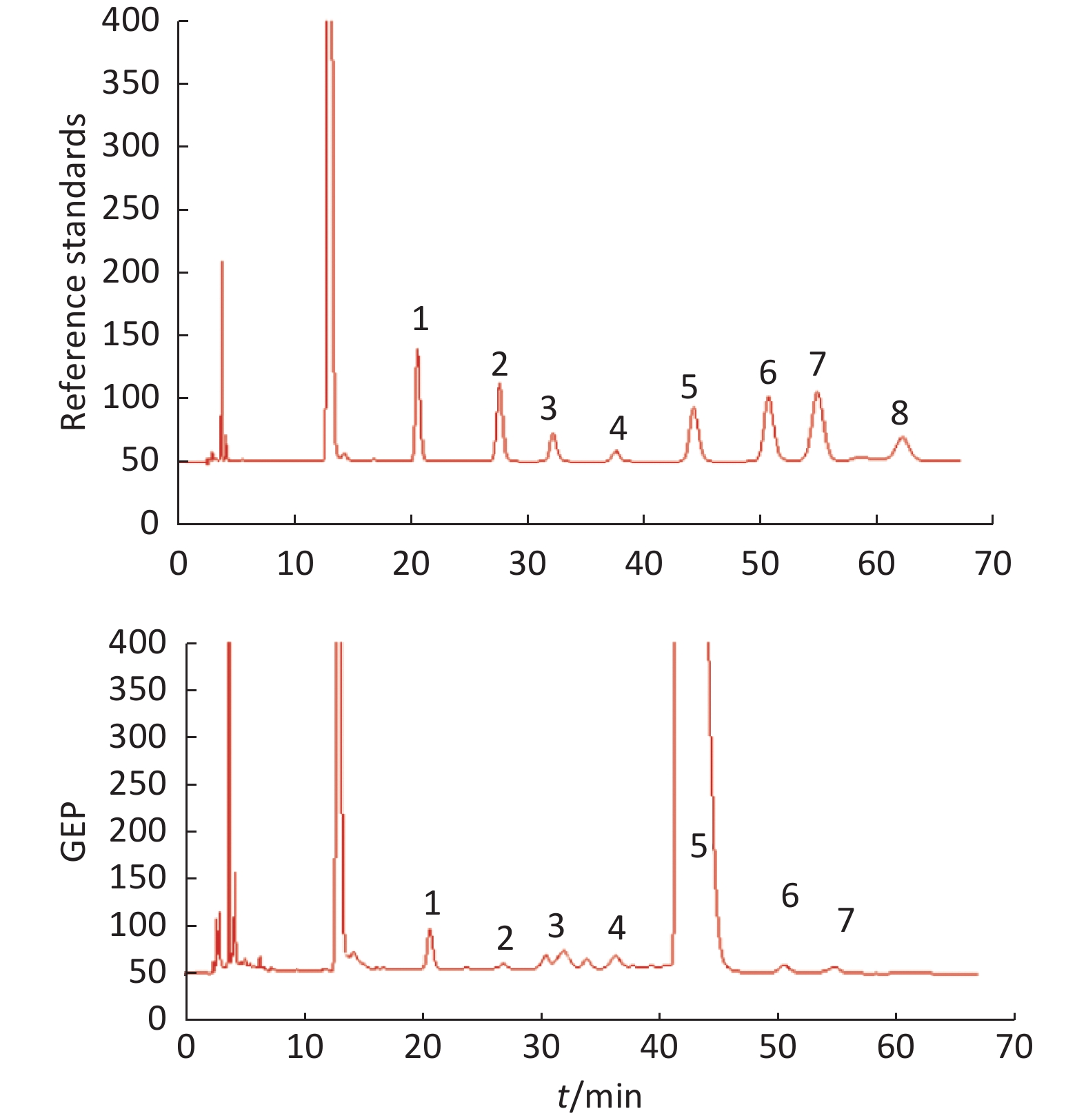
Fig.1 HPLC chromatograms of monosaccharide standards (upper panel) and GEP hydrolysate (lower panel) The numbers in the chromatogram correspond to the following peaks: 1: mannose; 2: rhamnose; 3: glucuronic acid; 4: D-galacturonic acid; 5: D-glucose; 6: D-galactose; 7: L-arabinose; 8: fucose.
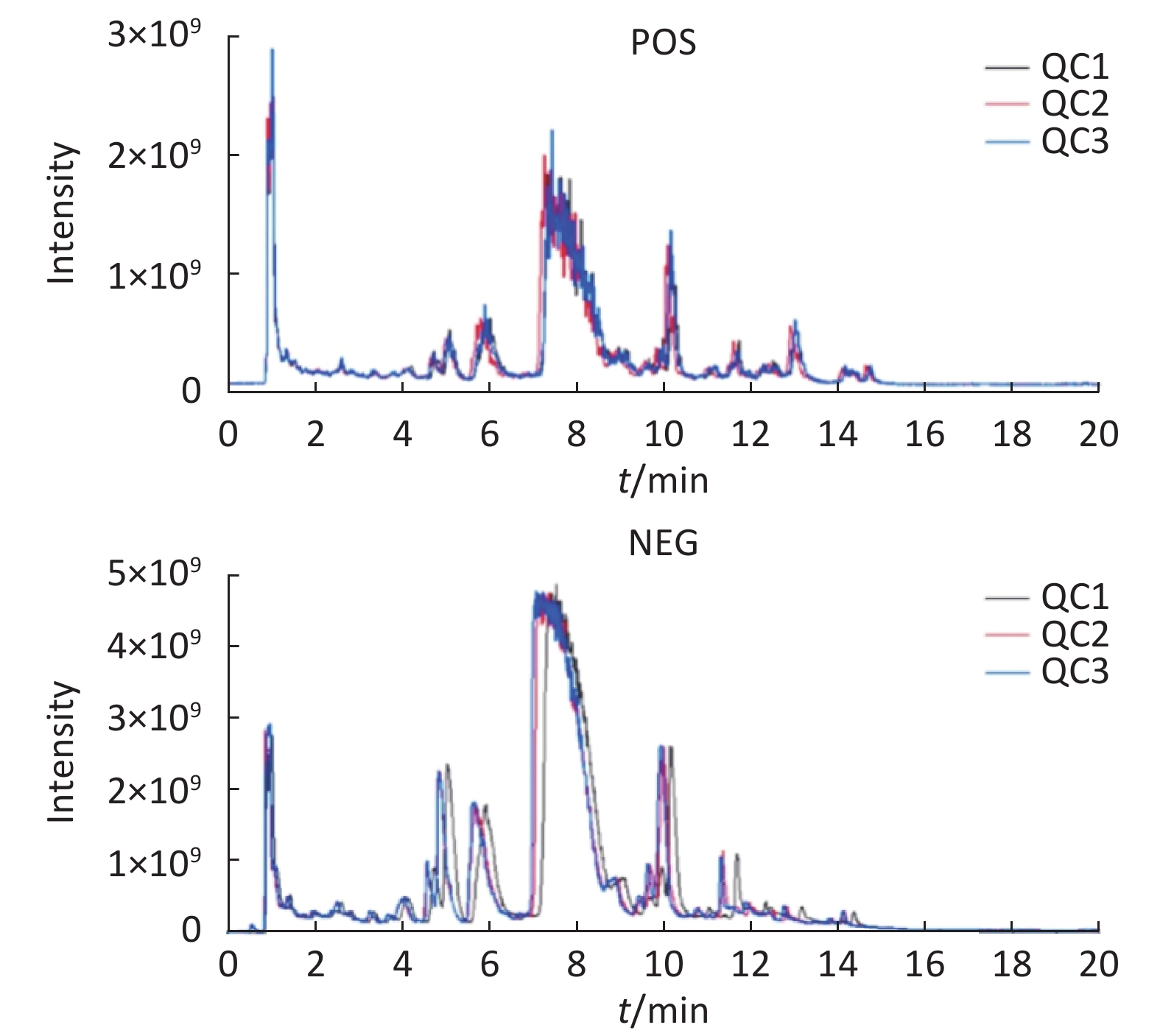
Fig.2 Overlaid total ion chromatograms of pooled GET quality-control samples in positive (POS) and negative (NEG) ion modes (three repeated injections)
| Tentative annotation | Formula | Mass error/ppm | Calculated MW | m/z | RT/min | Peak area |
| 4,4′-Diapophytofluene | C30H46 | ?1.30 | 15.483 | 1.22×10? | ||
| Gastrodin | C13H18O7 | ?1.95 | 1.820 | 1.17×10? | ||
| Parishin E | C19H24O13 | ?1.64 | 5.520 | 1.11×10? | ||
| 4-Hydroxy-2,5-bis(4-hydroxyphenyl) cyclopent-4-ene-1,3-dione | C17H12O5 | ?1.35 | 11.903 | 1.11×10? | ||
| (1E,4E)-1,5-Bis(4-hydroxy-3-methoxyphenyl) penta-1,4-dien-3-one | C19H18O5 | ?1.90 | 11.867 | 8.68×10? | ||
| Protocatechualdehyde | C7H6O3 | ?1.55 | 6.542 | 1.48×10? | ||
| Phytosphingosine | C18H39NO3 | ?1.08 | 12.291 | 1.62×10? | ||
| Betulin | C30H50O2 | ?1.33 | 15.717 | 1.30×10? | ||
| Protocatechualdehyde (feature 2) | C7H6O3 | ?1.66 | 2.124 | 1.76×10? | ||
| Ferulic acid | C10H10O4 | ?1.14 | 2.758 | 1.72×10? |
Table 1 Major ion features tentatively annotated in GET by UPLC-HRMS
| Tentative annotation | Formula | Mass error/ppm | Calculated MW | m/z | RT/min | Peak area |
| 4,4′-Diapophytofluene | C30H46 | ?1.30 | 15.483 | 1.22×10? | ||
| Gastrodin | C13H18O7 | ?1.95 | 1.820 | 1.17×10? | ||
| Parishin E | C19H24O13 | ?1.64 | 5.520 | 1.11×10? | ||
| 4-Hydroxy-2,5-bis(4-hydroxyphenyl) cyclopent-4-ene-1,3-dione | C17H12O5 | ?1.35 | 11.903 | 1.11×10? | ||
| (1E,4E)-1,5-Bis(4-hydroxy-3-methoxyphenyl) penta-1,4-dien-3-one | C19H18O5 | ?1.90 | 11.867 | 8.68×10? | ||
| Protocatechualdehyde | C7H6O3 | ?1.55 | 6.542 | 1.48×10? | ||
| Phytosphingosine | C18H39NO3 | ?1.08 | 12.291 | 1.62×10? | ||
| Betulin | C30H50O2 | ?1.33 | 15.717 | 1.30×10? | ||
| Protocatechualdehyde (feature 2) | C7H6O3 | ?1.66 | 2.124 | 1.76×10? | ||
| Ferulic acid | C10H10O4 | ?1.14 | 2.758 | 1.72×10? |
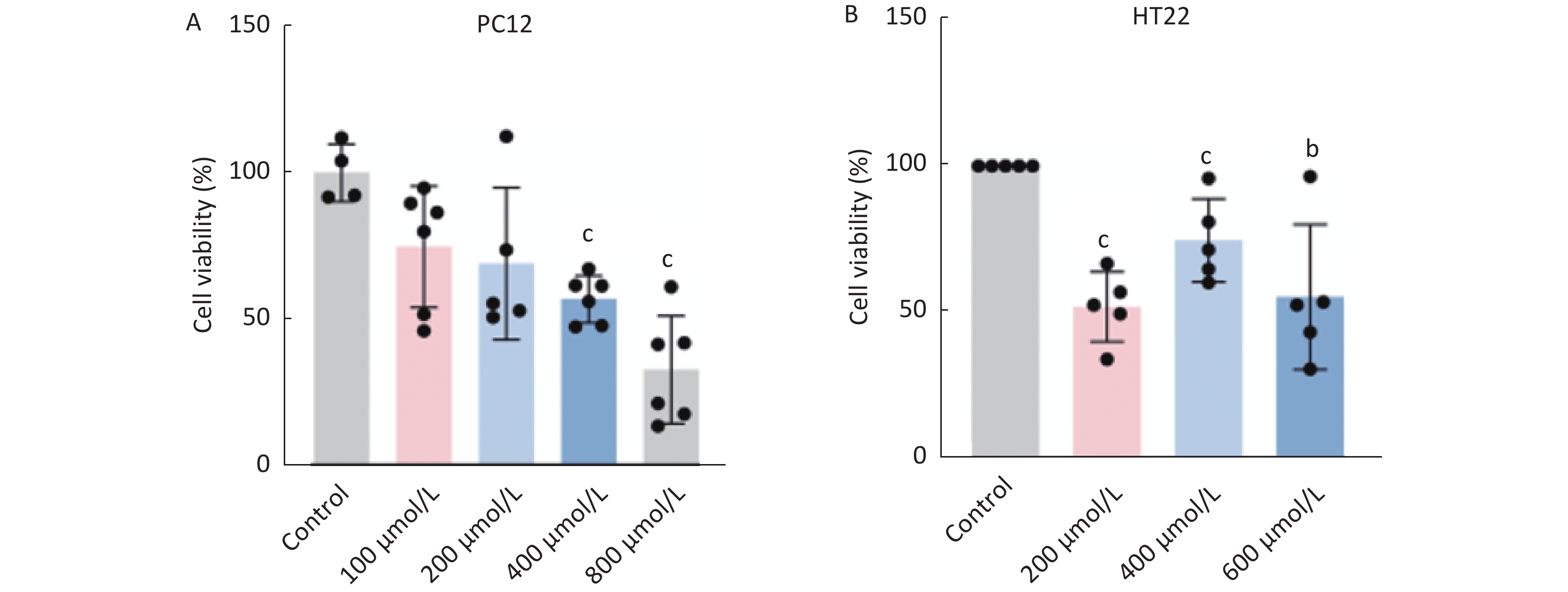
Fig.3 Effects of CORT concentration on PC12 (A) and HT22 (B) cell viability (x?±s, n=6 replicate observations) bP<0.05, cP<0.01, compared with control group.
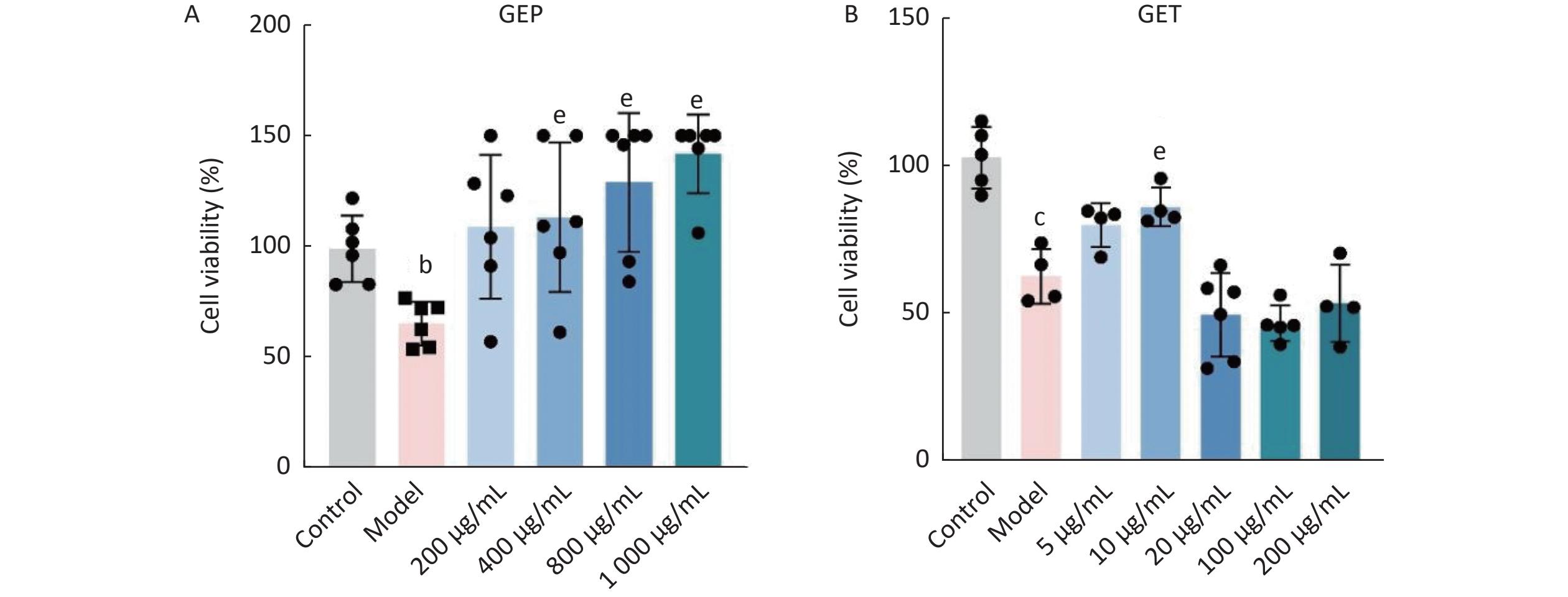
Fig.4 Effects of GEP (A) and GET (B) concentration on CORT-injured PC12 cell viability (x?±s, n=6 replicate observations) bP<0.05, cP<0.01, compared with control group; eP<0.05, compared with model group.
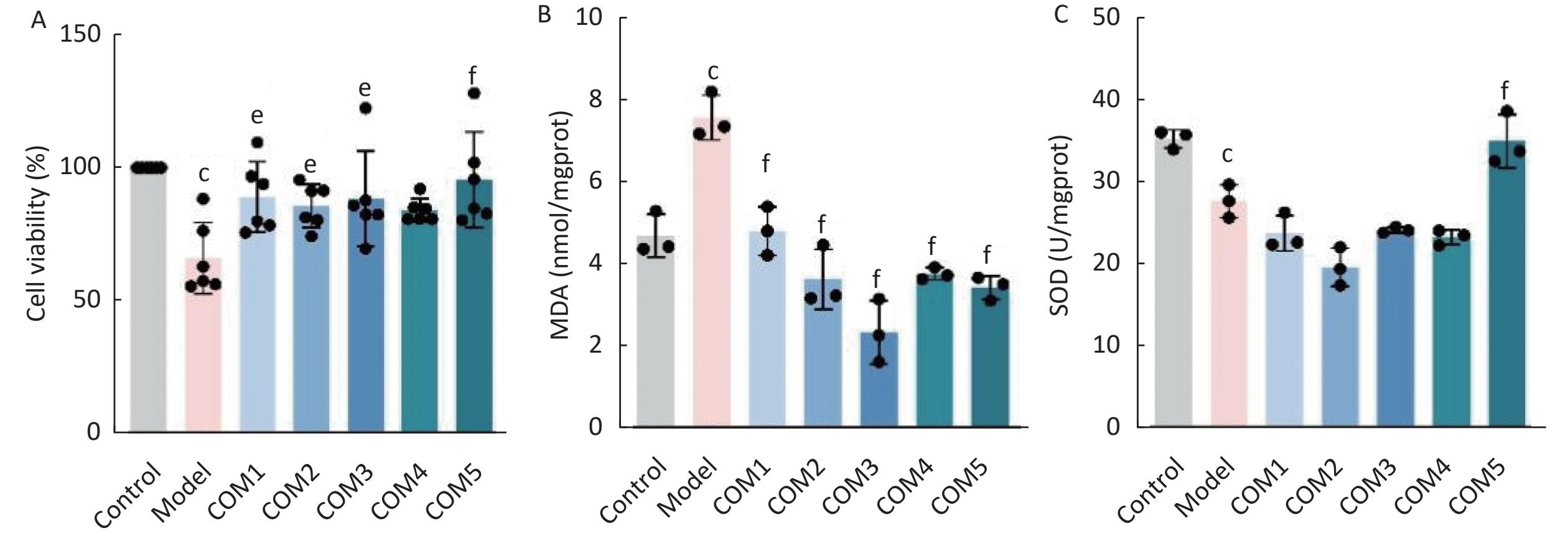
| Design point | GEP working-solution fraction, A (200 μg/mL) | GET working-solution fraction, B (10 μg/mL) |
| COM1 | 0.75 | 0.25 |
| COM2 | 1.00 | 0 |
| COM3 | 0.25 | 0.75 |
| COM4 | 0.50 | 0.50 |
| COM5 | 0 | 1.00 |
Table 2 Proportions of the five mixture-design points
| Design point | GEP working-solution fraction, A (200 μg/mL) | GET working-solution fraction, B (10 μg/mL) |
| COM1 | 0.75 | 0.25 |
| COM2 | 1.00 | 0 |
| COM3 | 0.25 | 0.75 |
| COM4 | 0.50 | 0.50 |
| COM5 | 0 | 1.00 |
Fig.5 Responses at the five GEP/GET mixture-design points A: cell viability (n=6 replicate observations); B: MDA and (C) T-SOD (n=3 replicate observations). Data are x̄±s. cP<0.01, compared with control group; eP<0.05, fP<0.01, compared with model group.
| Response | Model | R2 (%) | Adjusted R2 (%) | Predicted R2 (%) | Model P value |
| Cell viability | Y=90.63A+83.81B+10.8AB | 45.10 | 0 | 0 | 0.549 |
| T-SOD | Y=26.74A+18.43B+20.9AB | 49.98 | 0 | 0 | 0.500 |
| MDA | Y=2.340A+3.495B+5.58AB | 81.87 | 63.75 | 0 | 0.181 |
Table 3 Statistical summary of the Scheffé quadratic mixture models
| Response | Model | R2 (%) | Adjusted R2 (%) | Predicted R2 (%) | Model P value |
| Cell viability | Y=90.63A+83.81B+10.8AB | 45.10 | 0 | 0 | 0.549 |
| T-SOD | Y=26.74A+18.43B+20.9AB | 49.98 | 0 | 0 | 0.500 |
| MDA | Y=2.340A+3.495B+5.58AB | 81.87 | 63.75 | 0 | 0.181 |
| Response | Goal | Lower | Target | Upper | Predicted | Individual desirability |
| Cell viability (%) | Maximize | 50 | 120 | 120 | ||
| T-SOD (U/mg protein) | Maximize | 20 | 40 | 40 | ||
| MDA (nmol/mg protein) | Minimize | 4 | 4 | 8 |
Table 4 Settings and predicted responses of the multi-response desirability optimization
| Response | Goal | Lower | Target | Upper | Predicted | Individual desirability |
| Cell viability (%) | Maximize | 50 | 120 | 120 | ||
| T-SOD (U/mg protein) | Maximize | 20 | 40 | 40 | ||
| MDA (nmol/mg protein) | Minimize | 4 | 4 | 8 |
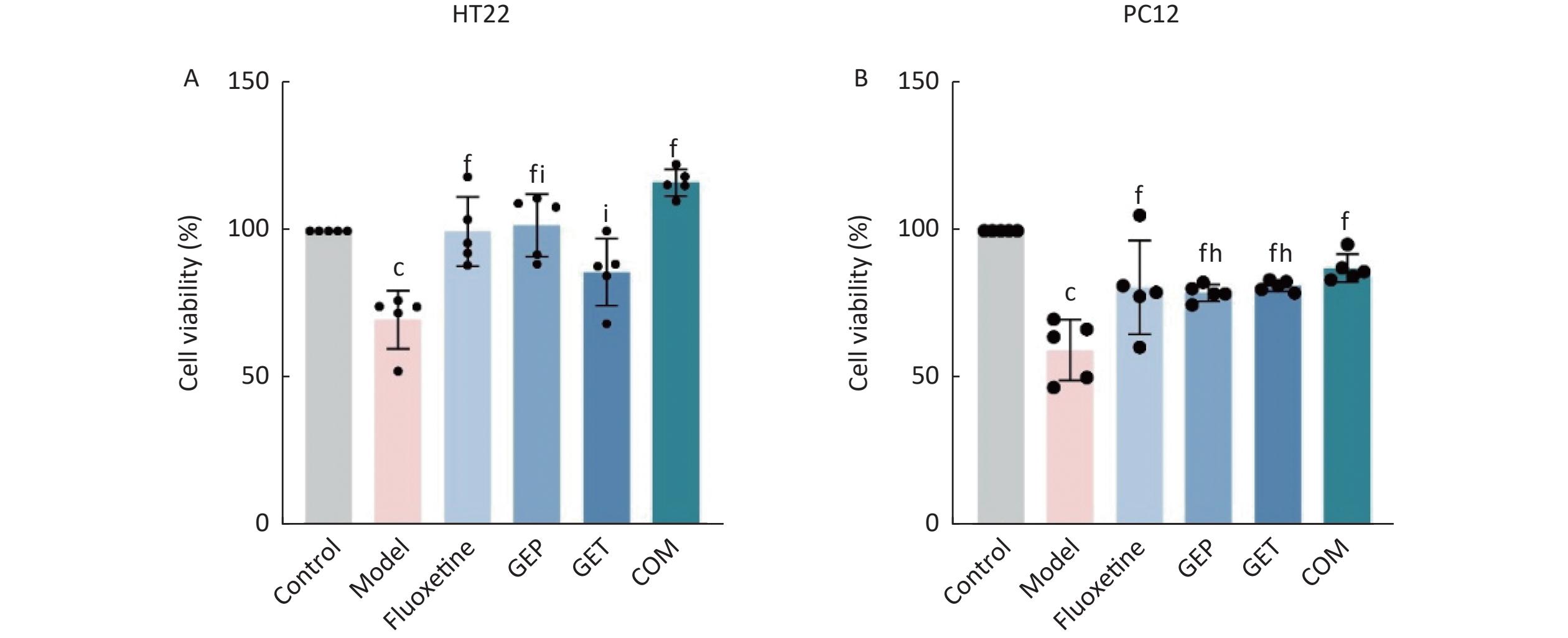
Fig.6 Cell-protective effects of the candidate combination, GEP, and GET in HT22 (A) and PC12 (B) cells (x?±s, n=6 replicate observations) cP<0.01, compared with control group; fP<0.01, compared with model group; hP<0.05, iP<0.01, compared with COM group.
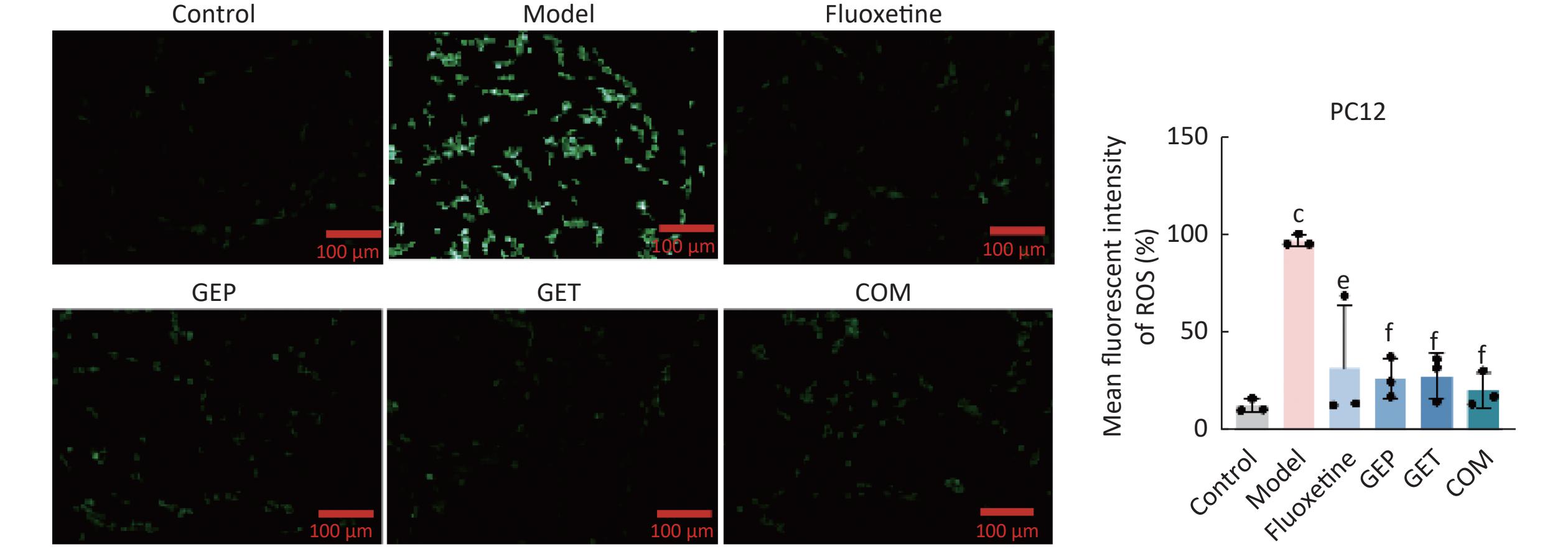
Fig.7 Effects of the candidate combination, GEP, and GET on ROS in PC12 cells (x?±s, n=3 independent experiments) cP<0.01, compared with control group; eP<0.05, fP<0.01, compared with model group. Red Scale bars=100 μm.
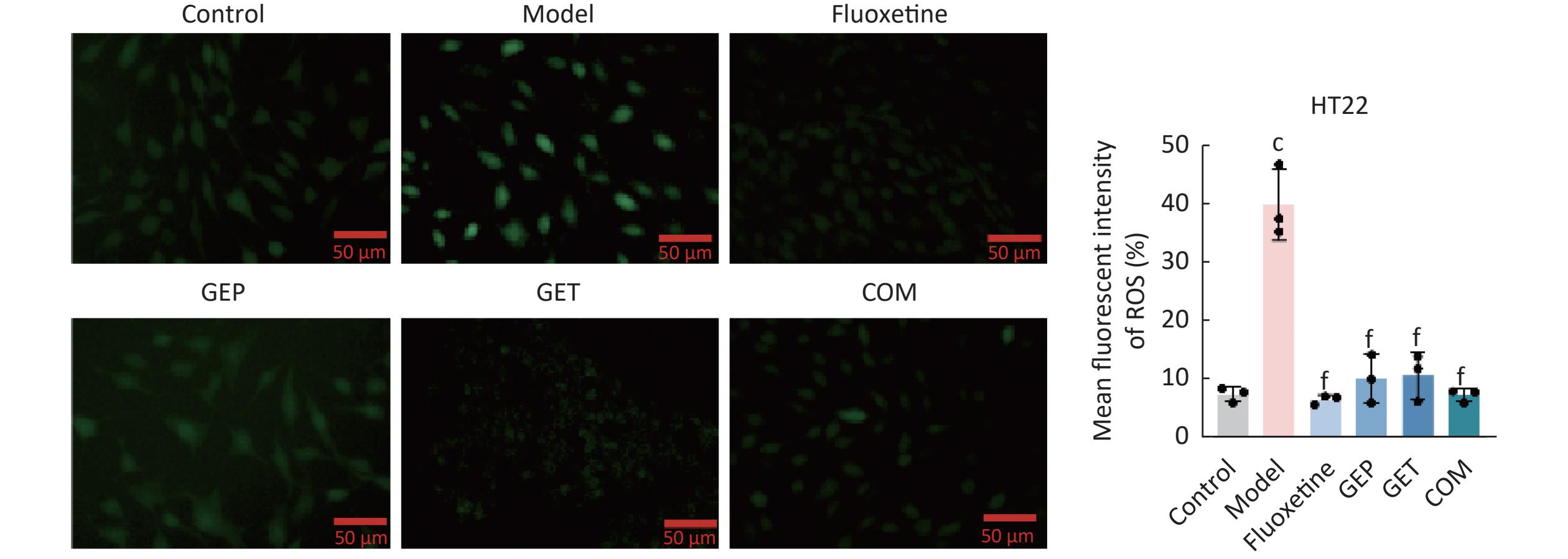
Fig.8 Effects of the candidate combination, GEP, and GET on ROS in HT22 cells (x?±s, n=3 independent experiments) cP<0.01, compared with control group; fP<0.01, compared with model group. Red Scale bars=50 μm.
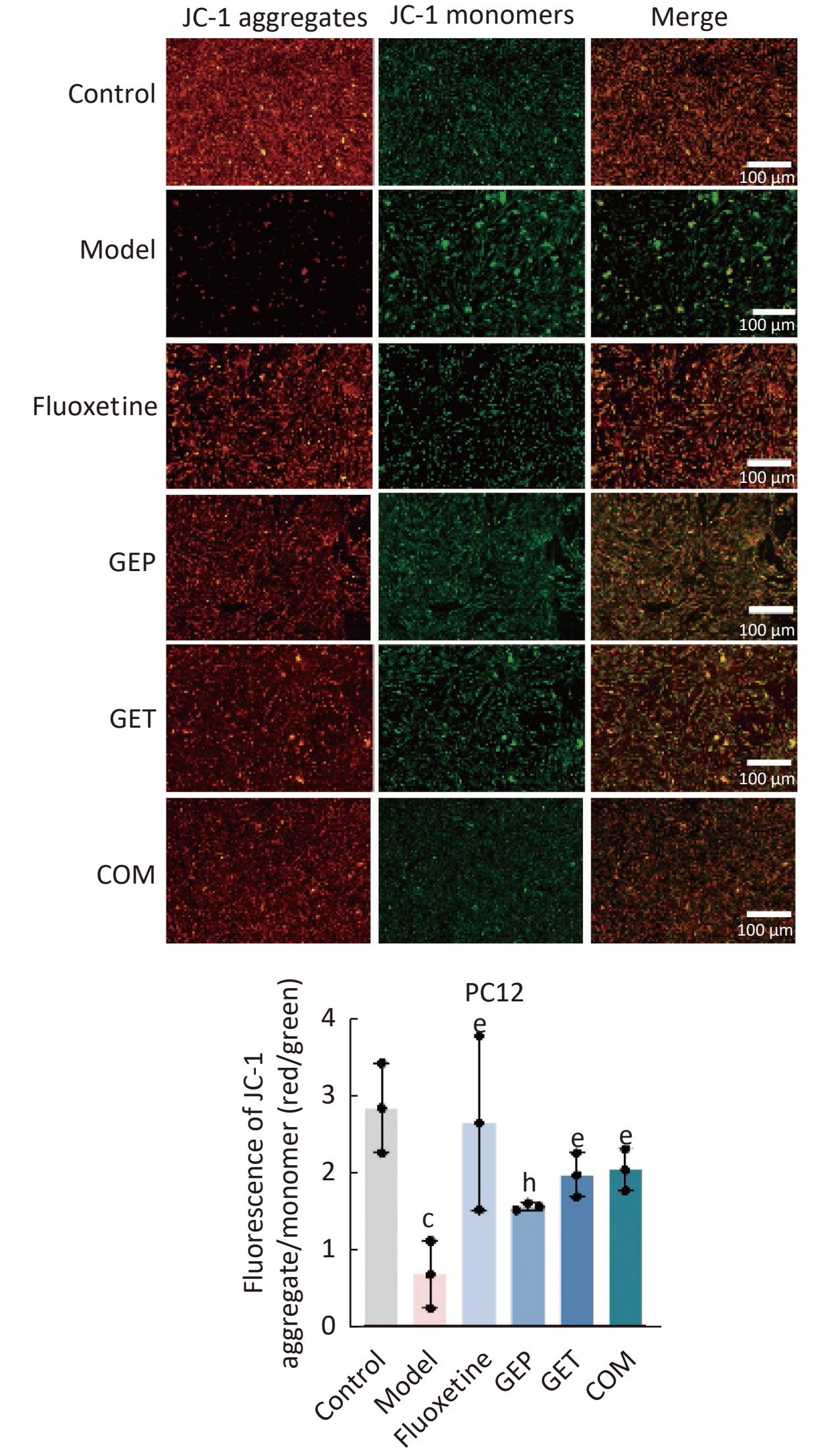
Fig.9 Effects of the candidate combination, GEP, and GET on mitochondrial membrane potential in PC12 cells (x?±s, n=3 independent experiments) cP<0.01, compared with control group; eP<0.05, compared with model group; hP<0.05, compared with COM group. Scale bars=100 μm.
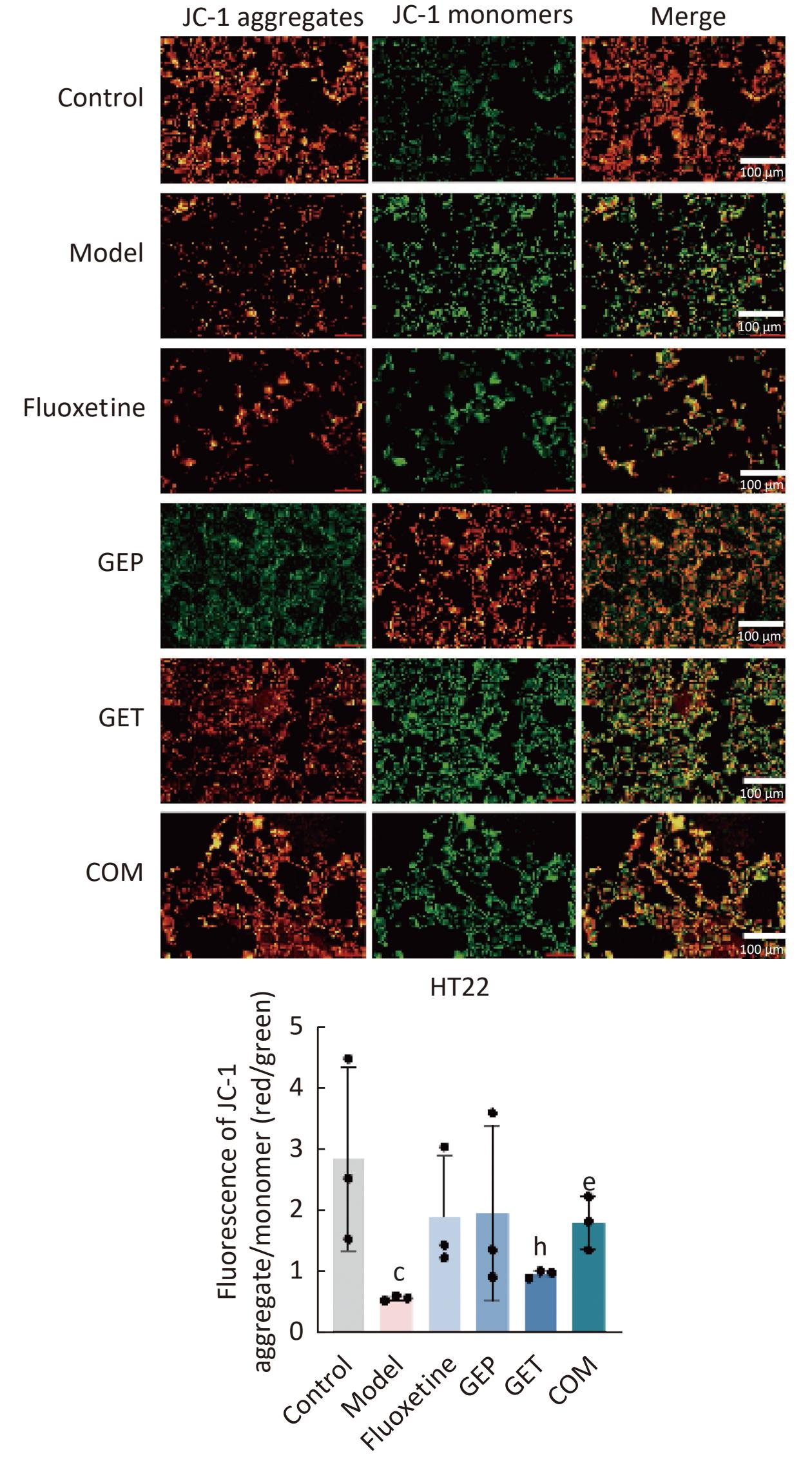
Fig.10 Effects of the candidate combination, GEP, and GET on mitochondrial membrane potential in HT22 cells (x?±s, n=3 independent experiments) cP<0.01, compared with control group; eP<0.05, compared with model group; hP<0.05, compared with COM group. Scale bars=100 μm.
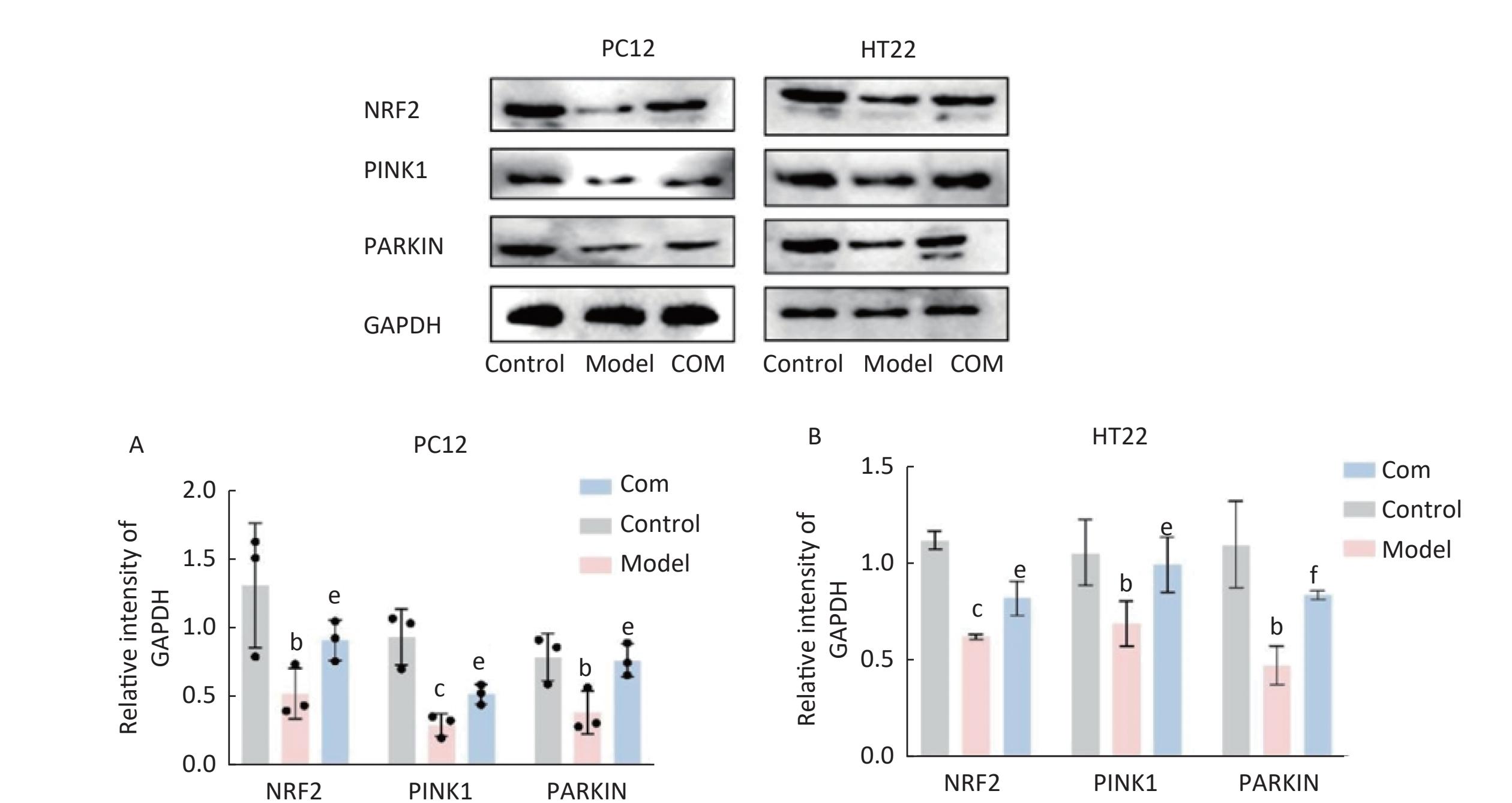
Fig.11 Effects of the candidate combination on Nrf2, PINK1, and Parkin protein expression in CORT-injured PC12 (A) and HT22 (B) cells (x?±s, n=3 independent experiments) bP<0.05, cP<0.01, compared with control group; eP<0.05, fP<0.01, compared with model group.
| 1 |
Liu Q, He H, Yang J, et al. Changes in the global burden of depression from 1990 to 2017: findings from the Global Burden of Disease study[J]. J Psychiatr Res, 2020, 126, 134- 140.
doi: 10.1016/j.jpsychires.2019.08.002 |
| 2 |
Ma Z, Yu Y, Gao M, et al. Protective effect of hop ethyl acetate extract on corticosterone-induced PC12 and improvement of depression-like behavior in mice[J]. ACS Chem Neurosci, 2024, 15 (9): 1893- 1903.
doi: 10.1021/acschemneuro.4c00081 |
| 3 |
He Z, Yu H, Wu H, et al. Antidepressant effects of total alkaloids of Fibraurea recisa on improving corticosterone-induced apoptosis of HT-22 cells and chronic unpredictable mild stress-induced depressive-like behaviour in mice[J]. Pharm Biol, 2022, 60 (1): 1436- 1448.
doi: 10.1080/13880209.2022.2099429 |
| 4 | 国家药典委员会. 中华人民共和国药典: 一部 [S]. 北京: 中国医药科技出版社, 2025. |
| 5 | Zhou BH, Tan J, Zhang C, et al. Neuroprotective effect of polysaccharides from Gastrodia elata Blume against corticosterone-induced apoptosis in PC12 cells via inhibition of the endoplasmic reticulum stress-mediated pathway[J]. Mol Med Rep, 2018, 17 (1): 1182- 1190. |
| 6 | Wen M, Liu M, Zhang Y, et al. Gastrodia elata polysaccharide alleviates depression via gut microbiota modulation and Keap1-Nrf2/BDNF-TrkB pathway activation [J]. Int J Biol Macromol, 2025, 317(Pt 1): 144630. |
| 7 |
Zhang Y, Ye P, Zhu H, et al. Neutral polysaccharide from Gastrodia elata alleviates cerebral ischemia-reperfusion injury by inhibiting ferroptosis-mediated neuroinflammation via the NRF2/HO-1 signaling pathway[J]. CNS Neurosci Ther, 2024, 30 (3): e14456.
doi: 10.1111/cns.14456 |
| 8 |
Zhou BH, Li XJ, Liu M, et al. Antidepressant-like activity of the Gastrodia elata ethanol extract in mice[J]. Fitoterapia, 2006, 77 (7-8): 592- 594.
doi: 10.1016/j.fitote.2006.06.016 |
| 9 |
Chen WC, Lai YS, Lin SH, et al. Anti-depressant effects of Gastrodia elata Blume and its compounds gastrodin and 4-hydroxybenzyl alcohol, via the monoaminergic system and neuronal cytoskeletal remodeling[J]. J Ethnopharmacol, 2016, 182, 190- 199.
doi: 10.1016/j.jep.2016.02.001 |
| 10 |
Wang R, Ren Q, Gao D, et al. Ameliorative effect of Gastrodia elata Blume extracts on depression in zebrafish and cellular models through modulating reticulon 4 receptors and apoptosis[J]. J Ethnopharmacol, 2022, 289, 115018.
doi: 10.1016/j.jep.2022.115018 |
| 11 |
Wang Y, Liu J, Wu W, et al. Ethanol extract of Gastrodia elata Blume alleviates ischemic stroke by inhibiting oxidative stress and ferroptosis through the PI3K/AKT/Nrf2 pathway[J]. J Ethnopharmacol, 2026, 358, 120956.
doi: 10.1016/j.jep.2025.120956 |
| 12 |
Li W, Liu K, Tao X, et al. Application of mixture design for optimum cardio protection efficacy of mixtures of salvianolic acid A, salvianolic acid B and danshensu from Salvia miltiorrhiza[J]. Ind Crops Prod, 2023, 192, 116095.
doi: 10.1016/j.indcrop.2022.116095 |
| 13 |
Broadhurst D, Goodacre R, Reinke SN, et al. Guidelines and considerations for the use of system suitability and quality control samples in mass spectrometry assays applied in untargeted clinical metabolomic studies[J]. Metabolomics, 2018, 14 (6): 72.
doi: 10.1007/s11306-018-1367-3 |
| 14 |
Chua PF, Lim WK. Optimisation of a PC12 cell-based in vitro stroke model for screening neuroprotective agents[J]. Sci Rep, 2021, 11 (1): 8096.
doi: 10.1038/s41598-021-87431-4 |
| 15 |
Lazarou M, Sliter DA, Kane LA, et al. The ubiquitin kinase PINK1 recruits autophagy receptors to induce mitophagy[J]. Nature, 2015, 524 (7565): 309- 314.
doi: 10.1038/nature14893 |
| 16 |
Klionsky DJ, Petroni G, Amaravadi RK, et al. Guidelines for the use and interpretation of assays for monitoring autophagy (4th edition)[J]. Autophagy, 2021, 17 (1): 1- 382.
doi: 10.1080/15548627.2020.1797280 |

| [1] | Rufeng ZHOU, Ying ZHANG, Ziyuan MENG, Jie LIU, Mengqiong SHI, Yong LIAO, Jie XU, Haoran LI, Yanqing TAN, Huilin QIN, Liangliang JIA, Yan YOU. Tormentic acid protects alcohol induced GES-1 cells via regulating Keap-1/Nrf2 and NLRP3 inflammasome signaling pathways [J]. Chinese Journal of Clinical Pharmacology and Therapeutics, 2026, 31(8): 1034-1052. |
| [2] | Jieyu ZHANG, Yina WENG, Fei CAO. microRNAs expression profile changes in patients with Parkinson's disease and prospects for potential diagnosis and treatment [J]. Chinese Journal of Clinical Pharmacology and Therapeutics, 2026, 31(4): 551-560. |
| [3] | Jile XIN, Jing LIU, Xinyi ZHANG, Jiayuan GUO, Wenzhuo HAN, Yixin SUN, Le ZHAO, Weisheng FENG, Xiaoke ZHENG. Connectivity Map-based drug repositioning evaluation of verapamil as a therapeutic agent for Parkinson's disease [J]. Chinese Journal of Clinical Pharmacology and Therapeutics, 2026, 31(1): 14-27. |
| [4] | Ziyu WU, Ting YU, Mouwei ZHENG, Tailin GUO. Metformin inhibits diabetes induced ferroptosis in renal proximal tubular epithelial cells by up-regulating Nrf2 expression [J]. Chinese Journal of Clinical Pharmacology and Therapeutics, 2026, 31(1): 40-47. |
| [5] | Jianqiang DU, Qi ZHANG, Enpeng GU, Chen XU, Yuan GUO, Menglong ZHANG, Jinke GUO, Si WU, Haibo XIE. Advances in the modulation of Nrf2 signaling by natural compounds for the treatment of intervertebral disc degeneration [J]. Chinese Journal of Clinical Pharmacology and Therapeutics, 2026, 31(1): 116-124. |
| [6] | REN Menghan, YAO Jianli, YANG Lixia, SHU Chang. Effect and mechanism of extracts from oxytropis falcata on improving oxidative damage of podocytes induced by high glucose via regulating PI3K/AKT/Nrf2 pathway [J]. Chinese Journal of Clinical Pharmacology and Therapeutics, 2025, 30(10): 1361-1373. |
| [7] | LI Hui, HU Hengzhao, YU Tingting, HU Huixian, WANG Jiale, WU Jing, HAO Wei. Plumbagin ameliorates pulmonary fibrosis by modulating TGF-β1/Smad2 and Nrf2/NOX4 pathways [J]. Chinese Journal of Clinical Pharmacology and Therapeutics, 2025, 30(1): 61-69. |
| [8] | BAI Xuechun, CHEN Shuo, LI Shanshan, LI Qinglin. Intervention study on the progress of subacute Parkinson's disease in mice with Kangzhen Zhijing spasmodic decoction Ⅰ [J]. Chinese Journal of Clinical Pharmacology and Therapeutics, 2024, 29(6): 629-636. |
| [9] | LI Mei, LI Qiang. Recent progress of targeting Nrf2-ferroptosis to treat brain injury after ischemic stroke [J]. Chinese Journal of Clinical Pharmacology and Therapeutics, 2024, 29(2): 188-197. |
| [10] | WANG Jingang, LI Qiang, SUN Huiyan, WANG Hongquan. Recent progress in understanding the neuroprotective mechanism of carnosic acid in Parkinson's disease [J]. Chinese Journal of Clinical Pharmacology and Therapeutics, 2023, 28(9): 1073-1080. |
| [11] | HOU Xiaoyu, LENG Yufang, CAO Xuefen, LV Xingjiao, HAN Xiaoxia, Janvier NIBARUTA, LIU Yongqiang. Network analysis and experimental verification of Schisandrin B reduces intestinal ischemia reperfusion injury [J]. Chinese Journal of Clinical Pharmacology and Therapeutics, 2023, 28(2): 147-154. |
| [12] | ZHANG Li, WANG Jin, LI Huizi, PENG Hui, HE Jun, PENG Shuangqing, GUO Jiabin. Role of Nrf2 pathway in flutamide-induced mitochondrial biogenesis [J]. Chinese Journal of Clinical Pharmacology and Therapeutics, 2022, 27(5): 498-504. |
| [13] | WANG Wenjuan, QI Mingrui, TIAN Limin. Research progress on Nrf2 in diabetic cardiomyopathy and intervention of traditional Chinese medicine [J]. Chinese Journal of Clinical Pharmacology and Therapeutics, 2022, 27(10): 1163-1170. |
| [14] | FAN Wenxiang, ZHANG JinLu, XU Chi. Research progress of α7 nicotinic acetylcholine receptors in central nervous system diseases [J]. Chinese Journal of Clinical Pharmacology and Therapeutics, 2021, 26(9): 1065-1072. |
| [15] | LIU Xiaoping, LAI Xiangmao, OUYANG Zizhang, JIANG Sheng, ZHANG Ying. Nobiletin inhibits neonatal rat cardiomyocytes hypertrophy induced by high glucose [J]. Chinese Journal of Clinical Pharmacology and Therapeutics, 2021, 26(7): 753-759. |
| Viewed | ||||||
|
Full text |
|
|||||
|
Abstract |
|
|||||